Fotovoltaico + accumulo per autoconsumo: perché il BESS porta l'autoconsumo dal 30% all'80%
Often less than 30% of the electricity generated by photovoltaics during the day is used for personal use, and the rest can only be connected to the Internet at low prices. After installing energy storage, this part of the electricity can be reserved for self-use at night - this article will calculate the self-use rate, capacity configuration and equipment selection at once.
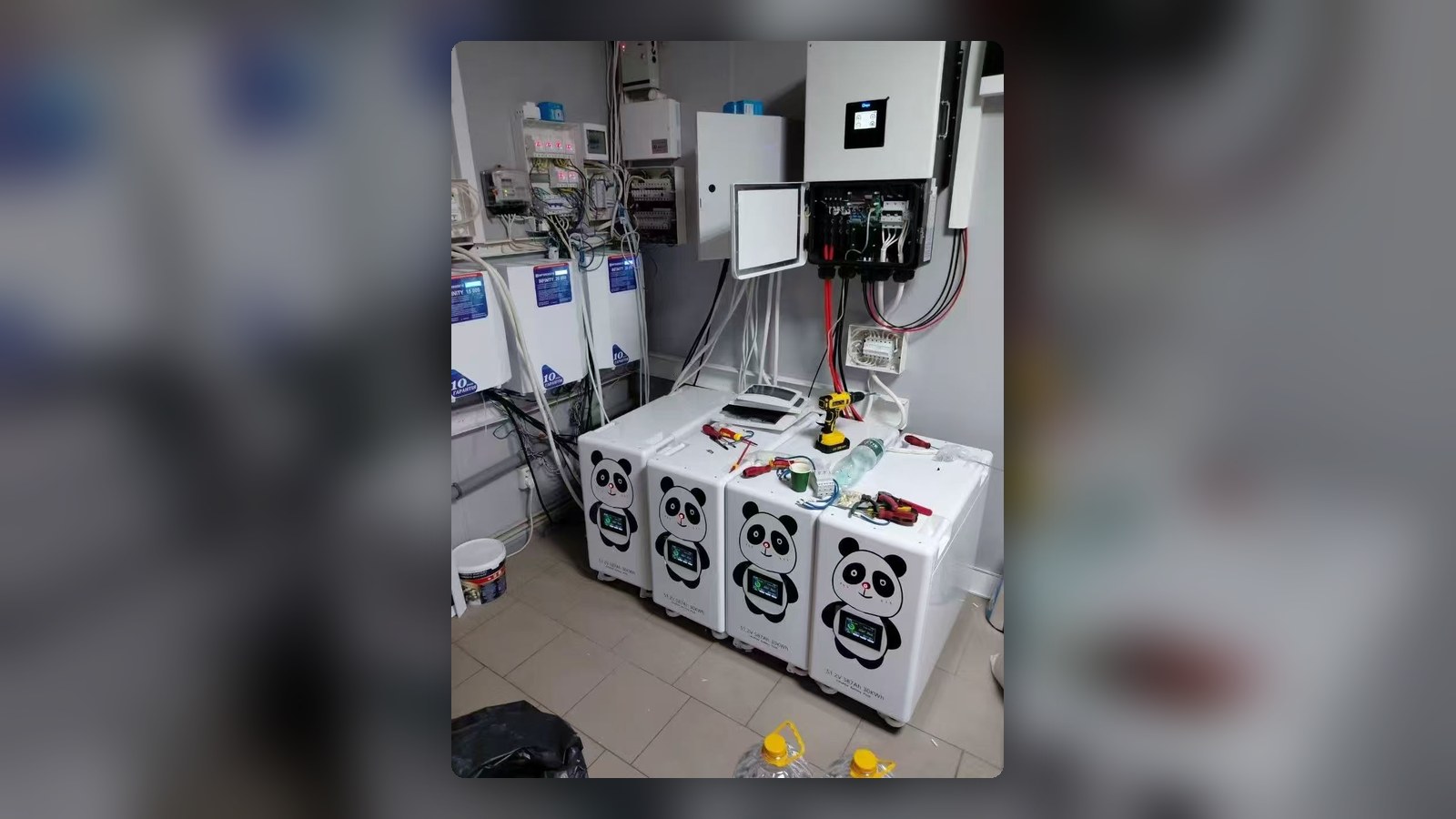
Households and factories equipped with photovoltaics have a common problem:The electricity generated during the day cannot be used up. When I want to use electricity at night, the photovoltaic system has already gone off work.. In a system without energy storage, the excess electricity can only be sold to the grid at a price that is much lower than the electricity price, and then the electricity is purchased from the grid at a high price at night - over and over again, the money is eaten up by the price difference.
1. How did the spontaneous self-use rate of 30% come from?
Take a typical home photovoltaic system as an example: the average daily power generation is 20 kWh, but there are few people at home during the day and the loads are only air conditioners and refrigerators. The actual consumption during the day is about 6 kWh.About 70% of power generation is either absorbed by the grid or restricted.. The proportion of industrial and commercial rooftops is even more extreme, with many factories having a photovoltaic self-consumption rate of less than 30%.
2. What happened after installing energy storage?
After adding a 10–30 kWh lithium iron phosphate energy storage battery (BESS), the system logic becomes:
- daytime: Photovoltaic power generation → give priority to load → surplus power is charged into the battery instead of being connected to the Internet at a low price;
- Evening peak section: The battery is discharged to provide electricity for the whole family, without buying peak electricity;
- Late Night Valley Section(Regions with peak and valley electricity prices): You can also charge at low prices to further dilute costs.
For the same daily power generation of 20 kWh, with 10 kWh energy storage, the self-consumption rate can be stably achieved 75%–85%. Based on an electricity price difference of 0.6 yuan/kWh, the value of one kilowatt hour of electricity has almost doubled.
3. What capacity is appropriate?
| scene | Recommended capacity | Corresponding products |
|---|---|---|
| For a family of three, the average daily electricity consumption is 8–12 kWh. | 5–10 kWh | L5 / L7 cabinet energy storage |
| Charging pile included/large residential area | 10–16 kWh | L11 / SE15 / Pro16 |
| Villa / fully electrified home | 16–35 kWh | SE21 – SE35 / Pro30 |
Rule of thumb:Energy storage capacity ≈ daily average electricity consumption × 0.5–0.8, combined with the local peak-to-valley price difference and fine-tuning of the on-grid electricity price. If you're not sure, just send your 12-month electricity bill to our engineers for a free estimate.
4. How to choose equipment: three points that cannot be compromised
- Battery quality: Must be brand new A-grade lithium iron phosphate battery (EVE / BYD / CATL), with a starting cycle life of 6,000 times;
- BMS communication compatible: The RS485/CAN protocol must be able to interface with your inverter brand (mainstream brands such as Huawei, Sunshine, Growatt, and Deye have mature adaptations);
- Protection and certification: For outdoor installation, please check the IP rating, and for export projects, please look for UN38.3/IEC 62619/CE.
5. What can HYSPERIX provide?
HYSPERIX is the source factory of lithium iron phosphate energy storage systems in Shenzhen, with a 12,000㎡ factory building, 6 automated production lines, and a full line of household energy storage 5–35 kWh 12 models in total: Small cabinet L series, Premium high-end line (Pro, 5-year warranty, CATL/CALB batteries), Entry economy line (SE, BYD batteries). Photovoltaic distribution and storage, off-grid power backup, and OEM are all available, and global shipping (EXW/FOB/CIF) is supported.