Integración de placas solares, almacenamiento y recarga: cómo el almacenamiento reduce la factura de las estaciones EV
Overcharging stations are most afraid of two expenses: transformer expansion and modification fees and demand electricity fees. Equipped with an energy storage unit, both pens can be pressed down, and it can also be used for emergency charging during power outages. This article gives the capacity algorithm and key points for equipment selection.
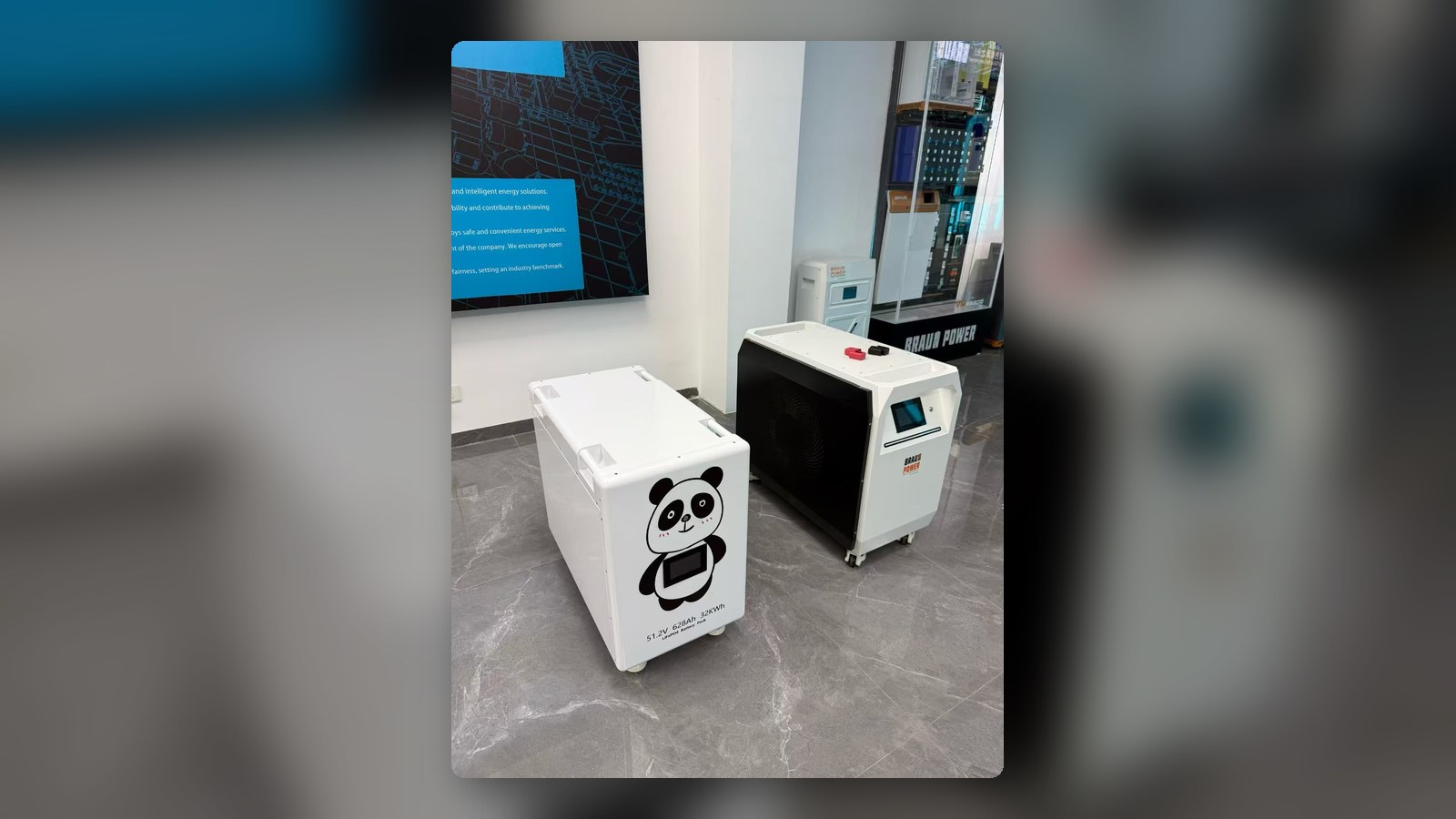
Charging electric vehicles may seem like a good business to collect money, but the electricity fee structure behind it often eats up profits:Demand electricity charges caused by high-power charging, transformer capacity expansion costs, and peak electricity prices, are the three major cost black holes of charging station operations. Energy storage (BESS) is currently recognized as the optimal solution.
Three electricity bill pain points at charging stations
- Demand electricity charges: Four 120 kW fast chargers working at the same time provide an instantaneous power of 480 kW. In cities where billing is based on demand, this item may account for 20–30% of the electricity bill;
- Transformer capacity increase: New charging piles often trigger transformer expansion, a fixed investment of hundreds of thousands;
- Peak electricity consumption: Charging peaks often overlap with power grid peaks, so the most expensive electricity is purchased.
How to solve energy storage problem: peak clipping + peak shifting
Incorporate a 200–500 kWh energy storage unit on the distribution side:Charging during off-peak periods or photovoltaic surplus periods, charging piles provide supplementary power during peak discharge. Effect:
- Demand is "flattened", and demand electricity bills plummet;
- Transformers can be added without expansion - energy storage can fill the power gap;
- Stations with photovoltaics can achieve true "green power charging", and some markets can receive green power premiums or subsidies.
How to allocate capacity: a simplified formula
Energy storage capacity ≈ average daily charging capacity of a single gun × number of guns × peak clipping ratio (30%–50%). For example, with 8 gun stations, an average daily gun load of 120 kWh, and peak shaving of 40%, approximately 380 kWh of energy storage is required. The actual configuration needs to be combined with the 24-hour power curve. Send us the time-sharing power data of the charging station, and the engineer will provide a configuration plan for free.
Key points for equipment selection
- High magnification capability: Charging pile supplementary power requires the battery to be continuously discharged above 0.5C, so choose a power cabinet with a starting current of 200A;
- Vida útil: For stations that charge and discharge twice a day, priority is given to 8,000 cycle batteries (BYD / CATL / CALB Grade A);
- safe: Indoor/semi-indoor installation must pay attention to fire protection and thermal runaway protection. BMS multi-level protection + combustible gas detection is standard.
HYSPERIX’s optical storage and charging solution
HYSPERIX provides fromDomestic energy storage (5–35 kWh) to industrial and commercial energy storage cabinets, containerized BESSA full range of products, the optical storage and charging integrated station can be customized and integrated into the whole cabinet (PCS + EMS + battery + fire protection), OEM/ODM starting from 500 units, export items UN38.3 / IEC 62619 / CE are included.