¿Cuánto ahorra el almacenamiento en un edificio comercial? Análisis de la factura y cálculo de amortización
Demand electricity charges and peak electricity prices account for the majority of electricity bills in shopping malls, hotels, and office buildings. Energy storage is not about "using less electricity", it is about shifting the time when electricity is used. This article will show you how to calculate three savings and return on capital.
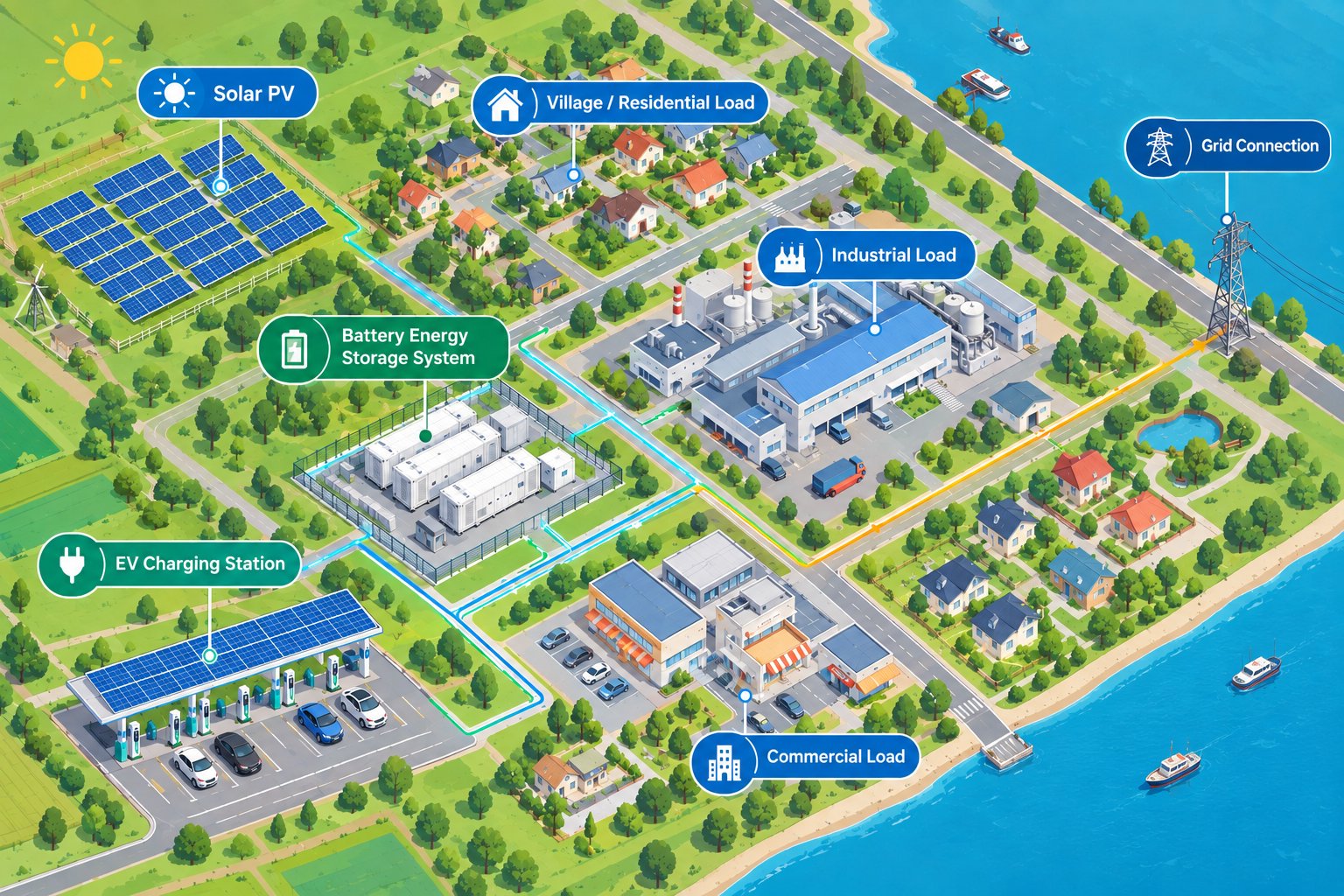
Electricity bills for commercial buildings such as shopping malls, office buildings, and hotels usually consist of three parts:Electricity charges, demand (capacity) charges, power factor adjustment. Most owners only focus on electricity bills, but they don’t know that demand charges and peak premiums are where energy storage should start.
1. The pain points of electricity bills in commercial buildings
- load spike: When the air conditioner is turned on and the passenger flow peak is superimposed, the maximum monthly demand may be more than 40% higher than the average, and the demand electricity fee is calculated based on the maximum value;
- Peak electricity consumption accounts for a high proportion: The business hours happen to be during the peak period of electricity prices, so every kilowatt hour of electricity used is charged at full price;
- Difficult to expand capacity: Old buildings have limited transformer margin, and new catering tenants or charging piles are stuck in capacity.
2. Three savings accounts of energy storage
- Cutting demand: Energy storage monitors the transformer output in real time and automatically discharges when it is close to the demand threshold, reducing the maximum demand - this saving is immediate;
- Arbitraje punta-valle: For markets with valley charging and peak discharging, the peak-to-valley price difference is more than 0.7 yuan/kWh, and one cycle every day is the net income;
- Spare value: Important loads (cold storage, computer rooms, cash register systems) receive second-level backup power to reduce power outage losses.
3. Payback calculation framework
| Parameter | Typical value | Notes |
|---|---|---|
| Energy storage capacity | 200–500 kWh | According to the 24h load curve peak cutting |
| Average daily charge and discharge depth | 80%–90% DOD | Daily safety range of lithium iron phosphate |
| annual recurring income | Price spread × daily discharge × 350 days | Plus demand savings |
| Payback cycle | 4–6 years | Battery life 8,000 cycles ≈ 10 years+ |
Send 12 months of time-of-use electricity bills to Hays Electric Power Engineer, and we will provide you with a free cash flow calculation sheet——Data speaks, don’t pat your head。
4. Equipment and implementation points
- Integrated cabinets are preferred: Battery + BMS + fire protection + temperature control, the whole cabinet is delivered, and the amount of on-site construction is small;
- EMS must be programmable: Demand control, electricity price period, and power backup strategy must be able to be adjusted remotely;
- Battery core traceability: The manufacturer is required to provide the battery cell factory test report and batch consistency data, and the 8,000 cycle commitment must be written into the contract.
5. Why choose HYSPERIX?
HYSPERIX is the source factory (Shenzhen) for lithium iron phosphate energy storage systems. It has 6 automated production lines and an annual production capacity of 1.5GWh. It has delivered 320+ projects and covers 60+ countries. Commercial energy storage cabinet support100 kWh – 8 MWh custom integration, the whole machine passed the 72-hour full load cycle test before leaving the factory, has complete UN38.3 / CE / IEC 62619 certification, and is shipped worldwide.